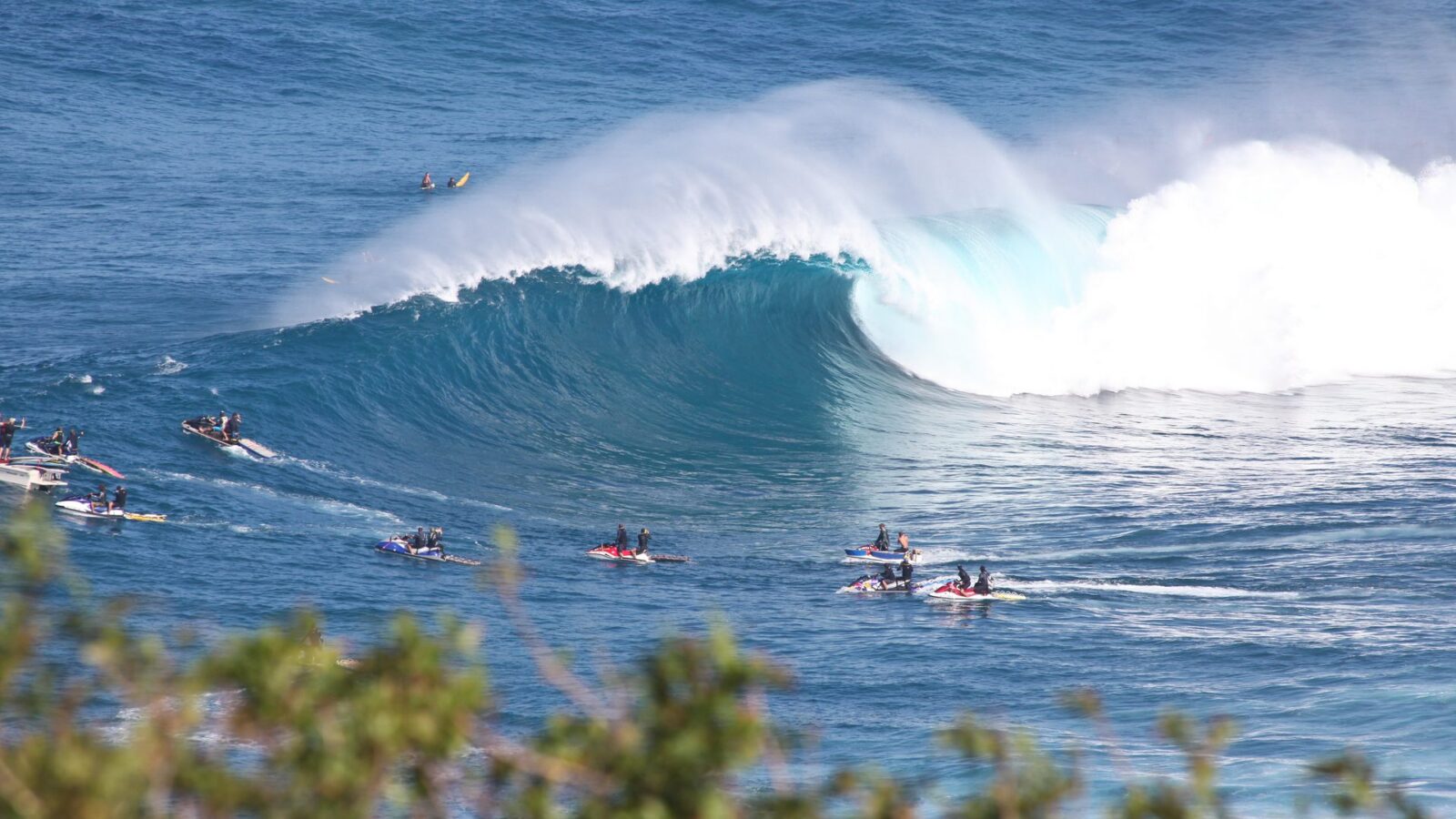
The Hawaiʻi surf report: incoming swells, high surf advisories and warnings for north, west, south and east shores on every island, and the big-wave days everyone talks about.
Oct 23, 2026 HST
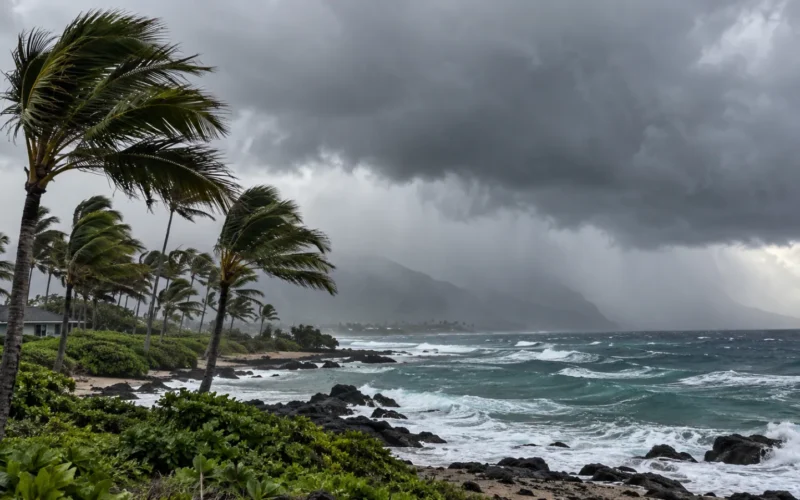
Winter surf season is starting on north- and west-facing shores. October through March brings the biggest swells of the year to the North Shore of Oʻahu, Maui’s north coast and Kauaʻi’s north shore. Big-wave organizers have said they’re hoping a strengthening El Niño produces larger swells this winter.
Advisory or warning: what’s the difference?
The National Weather Service issues a high surf advisory when surf is big enough to be dangerous for most swimmers and reach beaches and roads. A high surf warning means surf is large enough to threaten life and property. Lifeguards may close beaches during either.
- NWS Honolulu surf forecast
- Hawaiʻi Beach Safety: lifeguard reports and beach warnings.
- PacIOOS: wave buoys and ocean data.
Earlier updates and background
- December 1969: One of the largest swells on record hit the north shores, flooding homes and roads on Oʻahu.
- December 2009: The Eddie Aikau invitational ran at Waimea Bay; Greg Long won.
- February 2016: An El Niño winter delivered giant surf, and the Eddie ran again; John John Florence won.
- January 2023: Lifeguard Luke Shepardson won the Eddie between shifts at Waimea Bay.